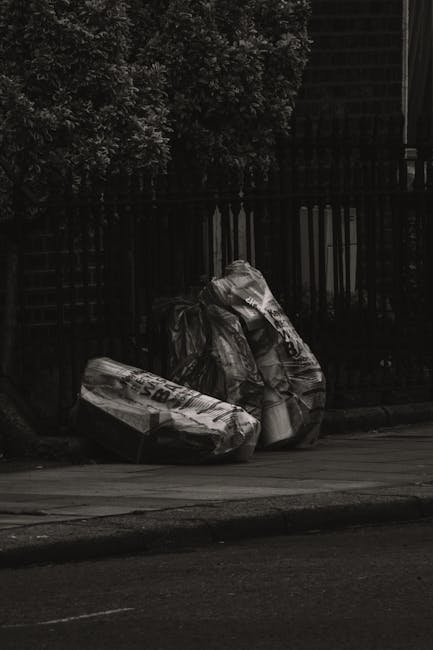
Pinner High Street rubbish collection pickup tips

If you are dealing with clutter, broken furniture, garden waste, or the kind of mixed rubbish that somehow appears overnight, the right Pinner High Street rubbish collection pickup tips can save you time, stress, and a few awkward moments on the pavement. High streets are busy places. There are parked cars, tight access points, pedestrians, deliveries, shopfronts, and the usual "just one more bag" problem. Truth be told, that is exactly why a little planning makes such a big difference.
This guide walks through how rubbish collection and pickup works on or around Pinner High Street, what to prepare before a collection, how to avoid common mistakes, and when it makes sense to use a professional clearance service rather than trying to juggle it all yourself. You will also find practical checklists, a comparison table, and real-world advice that is easy to act on.
Expert summary: The best rubbish collection pickups are the ones that are planned before the van arrives, with waste sorted, access cleared, and collection needs made clear upfront. Small details matter more than people expect.
- Why these pickup tips matter
- How rubbish collection works on a busy high street
- Key benefits and practical advantages
- Who this is for and when it makes sense
- Step-by-step guidance
- Expert tips for better results
- Common mistakes to avoid
- Tools, resources and recommendations
- Law, compliance, standards, or best practice
- Options, methods, or comparison table
- Case study or real-world example
- Practical checklist
- Conclusion
- Frequently asked questions
Why Pinner High Street rubbish collection pickup tips Matters
Pinner High Street is not the sort of place where rubbish can just be left out and forgotten. There is foot traffic to think about, neighbours to keep happy, and a street layout that may not always be generous with loading space. A bag in the wrong place can block a pathway, attract complaints, or simply get missed. Nobody wants that, least of all on a wet weekday morning when everything already feels a bit rushed.
Good pickup habits matter because they protect three things at once: time, safety, and presentation. If you are clearing a home, a flat, a shop unit, or an office nearby, the way you set up the collection can affect how quickly the crew works and whether the job stays tidy from start to finish. That is especially true in mixed-use areas, where residential and commercial needs overlap.
It also matters for trust. A careful collection looks professional. A chaotic one does not. You can feel the difference straight away: sorted waste, clear access, sensible timing, no piles spilling into the walkway. It sounds simple, but on a high street, simple is what works.
If you are planning a more substantial clearance rather than a one-off bag collection, services such as waste removal or home clearance can help keep the process orderly and efficient.
How Pinner High Street rubbish collection pickup tips Works
In practice, rubbish collection pickup is about matching the waste to the right method. Some items can go out quickly in bags or boxes, while others need careful handling, segregation, or even specialist disposal. On a busy street, access and timing are just as important as the waste itself.
A smooth pickup usually follows a fairly predictable pattern:
- You identify what needs to go and separate it by type.
- You check whether anything needs special handling, such as electricals, heavy furniture, or sharp waste.
- You make access as easy as possible, both inside the property and outside on the street.
- You confirm collection time, volume, and any parking or loading constraints.
- The collection team removes the waste, loads it safely, and clears up after themselves.
That sounds straightforward. In real life, though, the awkward bits are usually what slow people down. For example, a sofa may fit through the front door only if the hallway is clear. Or a stack of black bags may look fine until you realise they were mixed with cardboard, old paint tins, and a broken chair leg that nobody mentioned. Happens all the time.
For larger or more awkward loads, services like furniture clearance, furniture disposal, garage clearance, or loft clearance can be a better fit than trying to manage the pickup in small stages.
Key Benefits and Practical Advantages
Done properly, a rubbish pickup offers more than just a clean driveway or pavement. It can make the whole day feel less heavy. That may sound a bit dramatic, but anyone who has lived with piled-up clutter knows the feeling when the space finally breathes again.
- Faster turnaround: Sorting waste in advance means less time spent during collection.
- Cleaner surroundings: Neat stacks and labelled piles help prevent mess from spreading.
- Lower risk of mistakes: Mixed waste is easier to identify before it becomes a problem.
- Better safety: Clear walkways reduce trips, cuts, and awkward lifting.
- Less disruption: A prepared pickup is less likely to block neighbours, customers, or passers-by.
- More predictable costs: Knowing the volume and type of waste usually makes quoting clearer.
There is also a subtle benefit people often forget: calmer decision-making. Once the clutter is in one place and the route is sorted, you stop improvising. That alone can make a pickup day feel much less fraught.
For businesses, especially, a tidy collection supports the right impression. If you run a small office or shop near the High Street, periodic office clearance or business waste removal can help avoid that "stuff is taking over" feeling that sneaks up on teams.
Who This Is For and When It Makes Sense
This guidance is useful for homeowners, tenants, landlords, shop owners, tradespeople, and anyone trying to organise a pickup in a busy local setting. If you are based near Pinner High Street and you have waste that cannot simply wait for a standard bin collection, these tips are for you.
It makes particular sense if you are dealing with:
- household clutter after a clear-out
- old furniture, mattresses, or bulky items
- garden cuttings and outdoor waste
- garage or loft contents that have built up over years
- flat clearance in a property with awkward access
- shop, office, or back-room waste after refits or stock changes
- builder's debris after small renovation works
There is a point where DIY collection stops being convenient and starts becoming a bit of a chore. If you are making multiple trips, borrowing a vehicle, or trying to coordinate several helpers, a managed collection often becomes the sensible option. For those situations, flat clearance, house clearance, or builders waste clearance may be more appropriate than a piecemeal approach.
And yes, sometimes the right answer is simply to stop trying to make three small solutions do the work of one proper one.
Step-by-Step Guidance
Here is a practical way to organise rubbish pickup without the usual last-minute scramble.
1. Walk the space first
Start by looking at what actually needs collecting. Don't just glance at the obvious stuff. Check corners, under tables, behind doors, and in the odd little space where packaging and broken items tend to multiply. You will usually find more than expected.
2. Separate waste into simple groups
Keep general rubbish, cardboard, metal, electrical items, furniture, and garden waste apart where possible. This makes the load easier to handle and helps avoid confusion on the day. If something looks uncertain, set it aside for clarification rather than tossing it in with everything else.
3. Measure bulky items
For sofas, wardrobes, desks, and similar items, note approximate dimensions and whether they can be dismantled. A quick measurement can prevent a messy surprise at the kerb. It only takes a minute.
4. Check access and parking
On a busy street, access can be the difference between a smooth job and a frustrating one. Think about loading points, doorway widths, lifts, staircases, and where the vehicle can reasonably stop without causing trouble. If access is tight, say so early.
5. Make the pickup area clear
Move smaller items away from the route, unlock gates, and keep pets or children out of the way during the collection window. If the crew has to keep stepping around obstacles, the job takes longer and feels more stressful for everyone.
6. Confirm what is included
Make sure the collection covers the items you want removed. If you are mixing furniture, general rubbish, and leftover building material, be explicit. Clarity now avoids awkwardness later.
7. Prepare for a quick final sweep
Once the waste is loaded, do a last check for screws, broken glass, loose packaging, or stray bits of rubbish. That final sweep is often what separates a decent pickup from a really neat one.
For larger family or property-wide jobs, combining this process with furniture disposal or garden clearance can keep the whole operation tidy and manageable.
Expert Tips for Better Results
These are the practical habits that tend to make the biggest difference, especially in busy London neighbourhoods where space is always a bit tight.
- Break large jobs into zones. One room, one corner, or one category at a time works better than trying to sort the whole property at once.
- Use clear labels. A simple handwritten note on a box can prevent confusion, especially where multiple people are helping.
- Keep a "question pile". Put uncertain items in one area rather than mixing them into the main load. It avoids mistakes.
- Photograph awkward items. A quick photo helps if you need to discuss access or estimate volume. Handy, really.
- Avoid overfilling bags. Overpacked sacks split at the wrong time, and then everybody ends up irritated.
- Think vertically. Stack safely and compactly where possible, but do not create unstable piles just to save space.
- Tell the truth about the load. It sounds obvious, yet people sometimes forget a bin bag full of bricks or a hidden half-dismantled wardrobe. Mention it up front.
If you are unsure about whether the collection should be treated as general waste, bulky item removal, or something more specialised, it is better to ask early. A short conversation can save a whole lot of rework.
For local households, using furniture clearance alongside broader home clearance is often the cleanest route when you want several different waste types handled in one visit.
Common Mistakes to Avoid
Most pickup problems come from the same handful of mistakes. The good news? They are easy to avoid once you know what to look for.
- Leaving sorting until collection day: That is usually when the panic starts.
- Hiding awkward items in the corner: If it has to go, include it in the plan.
- Assuming access will be fine: A narrow hallway or busy street can change everything.
- Mixing waste types carelessly: This can cause delays and may affect disposal arrangements.
- Forgetting about heavy lifting: Some items need two people, maybe more. Pride is not a lifting aid.
- Ignoring weather and timing: Rain, school run traffic, or delivery slots can complicate a simple pickup.
- Not checking what happens after collection: Responsible disposal and recycling should be part of the conversation.
One small but common issue is placing rubbish out too early. On a street like Pinner High Street, that can look untidy, interfere with pedestrians, or attract unwanted attention. Better to time it well and keep things contained until the collection window.
And honestly, if a pile looks like it might wobble, it probably will. A slightly boring stack is a safer stack.
Tools, Resources and Recommendations
You do not need specialist equipment for every pickup, but a few simple tools make life easier:
- strong refuse sacks or boxes
- marker pen and labels
- gloves for sorting and handling rough items
- tape or straps for securing cardboard or dismantled items
- a tape measure for bulky furniture
- a torch for lofts, garages, and dim corners
- a phone camera for documenting items and access points
For bigger jobs, service selection matters too. If the waste is mostly household clutter, house clearance may be the most practical option. If the space is a workspace or back office, office clearance is a better fit. If you are dealing with rubble, plaster, or offcuts after repairs, builders waste clearance is more relevant.
It is also worth checking the company's approach to recycling, safety, and payment terms. Those details are not glamorous, but they matter. You can learn more through the site's pages on recycling and sustainability, insurance and safety, and payment and security.
Law, Compliance, Standards, or Best Practice
For rubbish collection in the UK, the main thing to keep in mind is that waste should be handled and disposed of responsibly. Exact duties can vary depending on whether you are a household, landlord, or business, and what type of waste you are producing. So, it is wise to keep the wording general and careful here.
In plain English, best practice usually means:
- keeping waste in a safe place before collection
- separating items where practical
- avoiding blocked pavements, entrances, or fire routes
- being honest about hazardous or awkward items
- using a provider that works safely and disposes of waste properly
For commercial settings, there may be additional expectations around waste transfer, duty of care, access, and record keeping. For domestic pickups, the practical focus is usually on safe handling and tidy presentation. Either way, the standard should be the same: no mess, no guessing, no shortcuts that create a problem later.
If you want a service provider that is transparent about procedures and responsibilities, pages like complaints procedure, terms and conditions, and about us can help you assess how the business operates before you book.
Options, Methods, or Comparison Table
There are a few sensible ways to handle rubbish pickup near Pinner High Street. The right choice depends on volume, item type, access, and how quickly you need the space cleared.
| Method | Best for | Advantages | Possible drawbacks |
|---|---|---|---|
| DIY bag-by-bag disposal | Small amounts of general rubbish | Low cost, simple for tiny jobs | Slow, tiring, awkward if access is poor |
| Bulky item collection | Single items like sofas, wardrobes, mattresses | Convenient, less heavy lifting for you | May not suit mixed or very large loads |
| Full property clearance | Homes, flats, garages, lofts, or offices with mixed contents | Efficient, organised, often best for bigger jobs | Needs clearer planning upfront |
| Specialised waste removal | Builders waste, business waste, garden waste | More appropriate handling for the waste type | Requires accurate item description |
To be fair, most people don't need the fanciest option. They need the one that stops the rubbish from becoming a week-long project. That is usually the one that matches the load properly first time.
Case Study or Real-World Example
Here is a realistic example. A small flat near Pinner High Street has a mix of old kitchen chairs, cardboard packaging, a broken chest of drawers, and a few bags of general waste after a clear-out. The resident has limited storage, no lift, and a narrow stairwell. Not ideal, but manageable.
Instead of piling everything by the front door and hoping for the best, they separate the items the day before. Cardboard goes in one stack, furniture goes in another, and the smaller rubbish is bagged securely. They check that the stair route is clear, move shoes and bags from the hallway, and leave a small note listing the items. Simple stuff, but it helps.
When the collection happens, the team can work quickly because they are not sorting on the spot. There is less back-and-forth, less disturbance, and no argument about what belongs to the job. The flat is cleared in one visit, and the resident is left with a usable space rather than a halfway job with leftovers in the corner.
That is the real value of good pickup tips. Not perfection. Just fewer problems.
For a similar situation with a fuller property load, it can make sense to combine flat clearance with broader waste removal so everything is handled in one organised visit.
Practical Checklist
Use this before any pickup near Pinner High Street.
- Identify every item that needs collecting
- Separate general rubbish from bulky items
- Keep electricals, sharp items, and oddments apart if needed
- Measure large furniture or awkward items
- Check access routes, doorways, stairs, and parking space
- Clear hallways, entrances, and loading areas
- Label bags or boxes where helpful
- Confirm collection time and expected load size
- Make sure pets and children are safely out of the way
- Do a final sweep after loading is complete
If you are dealing with outside space or storage areas as well, it may be worth looking at garage clearance or garden clearance so you are not leaving the project half-finished.
Get a free quote today and see how much you can save.
Conclusion
The best Pinner High Street rubbish collection pickup tips are the practical ones: sort early, keep access clear, be honest about what needs removing, and choose the right service for the job. If you do those things, everything becomes easier. The street stays tidier, the collection moves faster, and you are far less likely to end up dealing with a messy second attempt.
That is especially important in a busy local setting where space is limited and everyone notices when a job is done well. A calm, organised pickup is not flashy, but it is effective. And frankly, effective is what most people want.
If you are preparing a larger clearance, taking the time to plan it properly will pay off. A little structure now can save a lot of hassle later, and there is something genuinely satisfying about a space that is finally clear again. One less thing hanging over you. That counts for a lot.
Frequently Asked Questions
What are the best Pinner High Street rubbish collection pickup tips for a busy pavement?
Keep the waste contained until the collection window, avoid blocking walkways, and make sure items are stacked neatly and safely. On a busy high street, tidiness matters just as much as speed.
How do I prepare rubbish for pickup if I have mixed waste?
Separate general rubbish, bulky items, cardboard, and anything that needs special handling. Mixed waste is easier to manage when it is sorted before the crew arrives, not during the pickup.
Is it better to use a clearance service or do it myself?
If the load is small and simple, DIY might be fine. If you have bulky furniture, awkward access, or multiple waste types, a professional service is usually quicker and less stressful.
Can I put rubbish out the night before collection?
It is usually better not to leave waste out too early, especially on a busy street. It can look untidy, attract complaints, or get in the way of pedestrians.
What should I do with large furniture items?
Measure them first, check whether they can be dismantled, and make sure the access route is clear. If the furniture is heavy or awkward, furniture clearance or furniture disposal is often the easiest route.
How can I avoid delays on collection day?
Be specific about the waste, clear the access route, and keep all items in one agreed location. Delays usually come from surprises, not from the actual lifting.
What if I am clearing a flat near Pinner High Street?
Flat clearance works best when you plan for stairs, lifts, and tight hallways in advance. Measure larger items and make sure the route is clear before the team arrives.
Do I need to sort garden waste separately?
It is a good idea where possible. Garden waste can be handled more efficiently when it is kept apart from household rubbish and bulky items.
How do I know if I need builders waste clearance?
If your rubbish includes rubble, plaster, timber offcuts, or renovation debris, then builders waste clearance is usually the more appropriate option.
What is the safest way to handle heavy or awkward items?
Do not force it. Use two people if needed, clear the route first, and avoid lifting anything that feels unstable. Sometimes the safest move is to leave it to a team with the right equipment.
Can rubbish collection help with office or business cleanouts?
Yes. Business waste removal and office clearance are useful when you need a more organised pickup for desks, paperwork, packaging, or general commercial clutter.
What should I check before booking a rubbish pickup?
Check what items are included, how access will work, whether the provider is clear about safety and disposal, and whether the timing fits your street or building conditions. A bit of checking upfront saves a lot of hassle later.