Rubbish clearance cost guide for HA5 homes
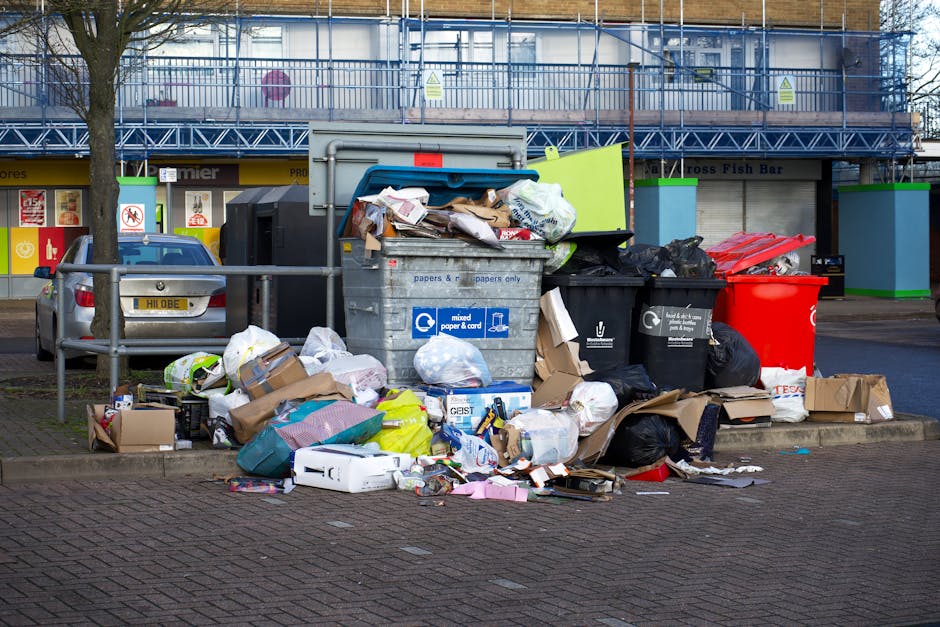
If you're trying to work out rubbish clearance cost for an HA5 home, you're probably staring at a pile that got bigger than expected. It happens fast: a loft full of old boxes, a shed that's become a dumping ground, or a flat move where the bags, broken bits, and random furniture suddenly need to go. This guide breaks down how rubbish clearance pricing usually works, what affects the final figure, and how to judge whether you're getting fair value. We'll keep it practical, local, and plain English.
One thing to remember straight away: rubbish clearance is rarely priced by guesswork. The best quotes are based on volume, weight, access, item type, labour, and disposal needs. That's true whether you're clearing a small garage or a full family home in HA5. Let's get into it.
Why rubbish clearance pricing matters for HA5 homes
Cost matters because rubbish clearance is one of those services where the cheapest quote is not always the best one. In HA5, homes range from compact flats to larger family houses, and the access can vary a lot. A neat driveway, side passage, basement steps, or top-floor flat with no lift can change the work involved quite a bit. The more the crew has to carry, sort, or manoeuvre, the more time it takes. Fair enough.
It also matters because people often compare rubbish clearance with skip hire and expect the same pricing logic. It's not the same. With a clearance service, you're paying for labour, loading, transport, and disposal in one go. That can be a blessing if you don't want to spend a Saturday filling a skip by hand, but it does mean the quote needs to reflect the real job.
For HA5 homeowners, landlords, tenants, and downsizers, understanding the pricing structure helps you avoid two common problems: overpaying for a half-empty vehicle, or under-quoting and then getting hit with add-ons on the day. Nobody enjoys that awkward conversation at the kerbside, especially when the van's already arrived.
If you're planning a broader clearance, it can help to look at related services too, such as house clearance, home clearance, or even garage clearance if the job is more contained. The better you match the service to the job, the more sensible the cost tends to be.
How rubbish clearance pricing works
Most rubbish clearance quotes are built from a few core ingredients. Once you know them, the numbers stop feeling mysterious.
1. Volume of rubbish
This is usually the biggest price driver. Waste is often priced by how much space it takes up in the vehicle, commonly described in cubic yards or by a fraction of a van load. A few black bags and a broken chair are very different from a packed loft's worth of mixed junk. Volume gives the business a first estimate of transport and disposal capacity.
2. Weight and material type
Heavy waste costs more to process than light bulky items. Soil, bricks, rubble, and mixed builder's waste are much denser than cardboard or old clothes. That's why items from a recent DIY project may fall under builders waste clearance rather than standard household rubbish clearance. The disposal route changes, and so does the cost.
3. Labour and access
If the team can park close to the property and walk straight in, life is easier. If they have to carry items down narrow stairs, through a long hallway, or out of a top-floor flat, the job takes longer. HA5 properties can have all sorts of quirks: gated access, tight roads, shared driveways, or awkward stairwells. Those little details matter. A lot.
4. Item sensitivity
Some items need special handling. Sofas, mattresses, electrical goods, fridges, paint tins, or mixed bulky waste may require different processing, and that affects the quote. If the clearance includes usable furniture, you may be better off looking at furniture clearance or furniture disposal depending on what you want removed and what condition it's in.
5. Time on site
Some jobs look small until the team starts sorting through them. A single room can hide ten different waste streams, and that can slow things down. If the crew expects a straightforward load but finds a layered mess of mixed rubbish, the quote may need adjusting. Honest photos help here. They really do.
Simple rule of thumb: the clearer and more accessible the waste, the more predictable the price. The messier the load, the more room there is for variation.
Key benefits and practical advantages
Good rubbish clearance is not just about "getting rid of stuff." It can save time, reduce stress, and make a property usable again. In real life, that can mean the difference between living around clutter and getting back to normal by tea-time.
- Speed: a clearance team can usually remove a lot in one visit.
- Less physical strain: you don't need to lift heavy bags, old wardrobes, or awkward items yourself.
- Cleaner spaces: lofts, garages, gardens, and spare rooms become usable again.
- Better planning: a fixed or clearly explained quote makes budgeting easier.
- Safer handling: trained crews know how to move bulky waste without damaging walls, floors, or themselves.
- More efficient sorting: recyclable and reusable materials can be separated where appropriate.
There's also a quieter benefit: peace of mind. After a bereavement, a move, or a long-overdue declutter, having the rubbish gone can feel like one less decision to make. To be fair, that can be worth quite a bit on its own.
And if the job is broader than a few bags, related services such as loft clearance, garage clearance, and garden clearance may be more suitable than a general waste removal approach. Matching the service type to the waste type usually leads to a better result.
Who this is for and when it makes sense
This cost guide is useful if you're any of the following:
- a homeowner in HA5 who wants to clear accumulated junk
- a tenant preparing to move out
- a landlord dealing with leftover items after a tenancy
- a homeowner renovating a room, kitchen, or garden
- someone handling a bereavement clearance or a long-delayed declutter
- a person who simply does not want a skip sitting outside for days
It also makes sense when the rubbish is awkward, mixed, or time-sensitive. For example, if you've got a mix of broken furniture, bags of general household waste, and a few garden items from the shed, one joined-up clearance is often simpler than booking separate removals. If it's more of a commercial job, then business waste removal or office clearance may be more relevant.
Sometimes the answer is simply: "I need this gone before Friday." That is enough reason, honestly. Life gets busy.
Step-by-step guidance
Here's a straightforward way to plan rubbish clearance without overcomplicating it.
- Sort the waste into rough groups. General rubbish, furniture, garden waste, builders waste, and anything hazardous or specialist should not all be treated the same.
- Measure the volume roughly. You do not need to be exact, but know whether it's a few items, half a room, or multiple rooms.
- Take clear photos. Wide shots and close-ups help the provider understand the job. If there is a cellar, loft, or tricky staircase, include that too.
- Note access details. Parking, lifts, shared entrances, narrow paths, and time restrictions all matter.
- Ask what is included. Check labour, loading, disposal, recycling, congestion or parking constraints, and whether extra fees might apply.
- Compare the quote with the actual job. If a quote seems far too low, ask why. The cheapest option can be the one with the most surprises. Not ideal.
- Book a suitable time slot. A good team will work around your schedule where possible, but keep the property ready to avoid delays.
If you're dealing with a full property clear-out, a broader home clearance or house clearance can be more efficient than treating each room separately. That's especially true when several types of waste are mixed together.
Expert tips for better results
Small decisions can change the final cost more than people expect. Here are a few practical things that usually help.
1. Be honest about what is there. If you mention "a few bags" but the loft is actually packed to the rafters, the quote will need revisiting. Better to be direct from the start.
2. Separate reusable items where possible. If some furniture is still in decent condition, it may affect how the job is planned. Don't assume every chair, table, or cabinet needs the same route out.
3. Clear a path before the team arrives. This sounds basic, but it saves time. Move small obstacles, unlock gates, and make access simple.
4. Ask about recycling expectations. A responsible clearance service should be able to explain how mixed waste is handled. If sustainability matters to you, take a look at the company's approach to recycling and sustainability.
5. Think in zones, not just rooms. A garage, loft, and garden often need different treatment. One single quote can still cover all of it, but the team should understand the mix.
6. Don't leave heavy lifting until the last minute. You may be tempted to "sort it on the morning." That is how people end up with aching backs and a half-finished pile by the gate.
In our experience, the best jobs are the ones where the homeowner gives a simple, accurate picture and a few photos. The quote is clearer, the work is smoother, and everyone avoids that awkward, "Oh, I forgot about the shed" moment.
Common mistakes to avoid
Most pricing problems come from avoidable assumptions. A few common ones:
- Comparing only the headline price. A cheap quote with hidden extras is not a bargain.
- Ignoring access. Stair-heavy flats, tight parking, and long carry distances can change the work significantly.
- Mixing waste types without saying so. Builders waste, furniture, and garden waste may need different handling.
- Forgetting about bulky items. One sofa can affect the whole load.
- Assuming every service includes the same disposal route. Disposal costs vary depending on the waste stream.
- Not checking what happens if the load is larger than expected. You want a clear process, not a guessing game on the doorstep.
Another subtle mistake is booking too late. If you need the rubbish gone before photos, a handover, or decorators arriving at 8 a.m. on Monday, leave a little breathing room. Life loves a delay at the worst possible time.
Tools, resources and recommendations
You do not need a toolbox full of specialist gear to manage a rubbish clearance well. What helps most is simple preparation.
- Phone camera: use it to capture wide shots of the pile and access routes.
- Tape measure: useful for large furniture or built-in items.
- Labels or marker tape: if you want to separate what stays and what goes.
- Checklist: write down loft items, garden waste, furniture, and any odd extras so nothing gets overlooked.
- Clear parking note: jot down where a van can park, especially on busier HA5 roads.
For homeowners who are not sure which service fits best, browsing the site's service pages can help you narrow things down. For example, a job that started as rubbish clearance may actually be more of a furniture clearance, while a shed packed with broken tools, compost bags, and hedge cuttings might fit better under garden clearance.
If you want to understand how pricing is structured before booking anything, the pricing and quotes page is a sensible place to start. It helps to know what a provider considers standard, and what might count as an extra.
Law, compliance, standards, or best practice
Rubbish clearance isn't just about carrying things away. In the UK, waste has to be handled responsibly, and that means the provider should follow proper disposal and duty-of-care practices. You do not need to become a waste law expert, thankfully, but you should expect the company to be careful with what it removes, where it goes, and how it is handled.
As a customer, the safest approach is to use a provider that can explain its process clearly, avoids vague pricing, and treats waste handling seriously. If they mention insurance, safety procedures, or compliance in a calm and practical way, that is usually a good sign. If they get vague when you ask where the rubbish goes, that's a bit of a red flag.
For larger jobs, particularly where heavy items or awkward lifting are involved, it is sensible to look at insurance and safety information, plus any published health and safety policy. That is not overthinking it. It is basic due diligence.
Waste from certain jobs may need more care than general household clutter, especially if it includes construction debris or mixed materials. A good operator should separate what can be reused, recycled, or disposed of properly, rather than throwing everything into one vague heap. Best practice, in plain terms, means doing the job neatly and responsibly.
Options, methods, or comparison table
There are a few ways to deal with rubbish in HA5 homes. The right choice depends on volume, urgency, and how much lifting you want to do yourself.
| Option | Best for | Typical advantages | Possible drawbacks |
|---|---|---|---|
| Man and van rubbish clearance | Mixed household waste, bulky items, fast clear-outs | Quick, labour included, simple for the customer | Price depends on volume and access |
| Skip hire | DIY projects with predictable waste over time | Flexible loading window, useful for ongoing work | You do the loading, space needed outside the property |
| Targeted clearance service | Specific spaces like lofts, garages, gardens, or furniture removal | More tailored, often more efficient | May not suit very mixed or awkward waste |
If your waste is mostly bulky household items, a service focused on furniture disposal may be more cost-effective than using a broader clearance method. If the issue is more about a cluttered upstairs room or under-eaves storage, loft clearance could be the smarter match.
Truth be told, the best option is usually the one that makes the job feel easy rather than heroic.
Case study or real-world example
Picture a typical HA5 situation: a family has just finished a small refurb and needs a mix of old furniture, broken shelving, a few bags of household rubbish, and some leftover bits from the shed removed before guests arrive at the weekend. Nothing dramatic. Just the sort of job that quietly grows arms and legs.
Instead of hiring a skip for several days, they request a rubbish clearance quote with photos. The provider sees:
- three bulky furniture items
- about a room's worth of mixed bags and boxes
- a small amount of garden waste
- easy driveway access
The quote reflects the volume, the mix of waste, and the straightforward access. On the day, the team loads everything quickly, separates usable materials where possible, and leaves the area swept and tidy. The family gets the space back in one visit, and the final cost feels reasonable because it matched the work.
That is the ideal outcome: no drama, no vague add-ons, no mystery charges, just a clear job well done. Simple, but not always easy to achieve unless the brief is accurate from the start.
Practical checklist
Use this checklist before you book rubbish clearance in an HA5 home.
- Identify the type of waste: general rubbish, furniture, garden waste, builders waste, or mixed items.
- Estimate how much space it takes up.
- Take clear photos from different angles.
- Note access issues such as stairs, lifts, parking, or narrow entrances.
- Check whether any item needs special handling.
- Ask what is included in the quote.
- Confirm whether recycling or disposal is part of the service.
- Make sure the route from the property is clear.
- Keep aside anything you want to retain.
- Set a realistic time window so you are not rushed.
Quick takeaway: the more accurately you describe the job, the more likely the price will be fair and stable.
Conclusion
A rubbish clearance cost guide for HA5 homes is really about understanding value, not just chasing the lowest number. Once you know how volume, access, labour, and waste type shape the price, it becomes much easier to judge quotes properly. That confidence matters whether you are clearing a single garage, a cluttered loft, or an entire property after a life change.
Take your time, be accurate, and ask sensible questions. A good provider should make the process feel straightforward, not confusing. And if you get the details right early, the whole thing usually goes a lot smoother than expected.
Get a free quote today and see how much you can save.
If you want to learn more about the company behind these services, you can also read the about us page or review the terms and conditions before you decide. That little bit of homework can save a headache later.
Frequently Asked Questions
How is rubbish clearance usually priced for HA5 homes?
It is usually priced by the amount of space the waste takes up, along with the weight, type of material, and how easy it is to remove from the property. Access matters more than people expect.
Is rubbish clearance cheaper than skip hire?
Not always, but it can be better value if you want labour included or if you do not want a skip sitting outside for days. Skip hire can suit DIY projects; clearance often suits mixed household waste better.
What affects the final cost the most?
The biggest drivers are volume, heavy or specialist waste, and access. A ground-floor load near the front door is very different from carrying items down narrow stairs from a loft.
Do I need to sort the rubbish before collection?
You do not usually need to sort everything into tiny categories, but it helps to separate obvious groups such as furniture, garden waste, and general rubbish. Clearer loads tend to produce clearer quotes.
Can I get a better price by sending photos?
Yes, usually. Photos make it easier for the provider to estimate volume and access conditions, which helps reduce surprises on the day.
What happens if the load is bigger than expected?
The quote may need to be adjusted if the actual waste is significantly larger or heavier than described. That is why an accurate description from the start is so useful.
Is furniture included in standard rubbish clearance?
Often yes, but larger items may be treated separately depending on condition, quantity, and disposal requirements. For mixed items, furniture clearance can be a better fit.
How long does a typical home clearance take?
It depends on the amount of waste and the access, but smaller jobs can be handled quickly while larger house clear-outs take longer. A loft or garage job often takes less time than a whole-property clearance.
Is there a difference between home clearance and house clearance?
In practice, the terms are often used in a similar way, but a provider may use them to describe slightly different scopes. It is worth checking what is actually included before booking.
What should I ask before booking a clearance service?
Ask what the quote includes, whether there are extra charges, how waste is handled, and what happens if access is awkward. Those four questions cover most of the important stuff.
Do I need to be at home during the clearance?
Usually it is helpful if someone is there at the start to confirm the load and access. After that, arrangements can vary, but you should agree the details beforehand.
What if my rubbish includes builders waste or garden waste?
Say so early. Builders waste and garden waste may affect pricing because they often need different handling. It is better to describe the mix clearly than to bundle everything together and hope for the best.
For extra reassurance on service standards and payment handling, you may also want to review payment and security before you go ahead.