The Impact of Waste Clearance Services on Public Health
The Impact of Waste Clearance Services on Public Health
In today's rapidly urbanizing world, waste clearance services are more crucial than ever for maintaining a healthy and safe environment. As cities expand and populations grow, the significance of efficient waste management directly correlates with the well-being of communities. This comprehensive article explores the impact of waste clearance on public health, uncovering the essential role these services play in preventing disease, promoting cleanliness, and safeguarding the environment for future generations.
Understanding Waste Clearance Services
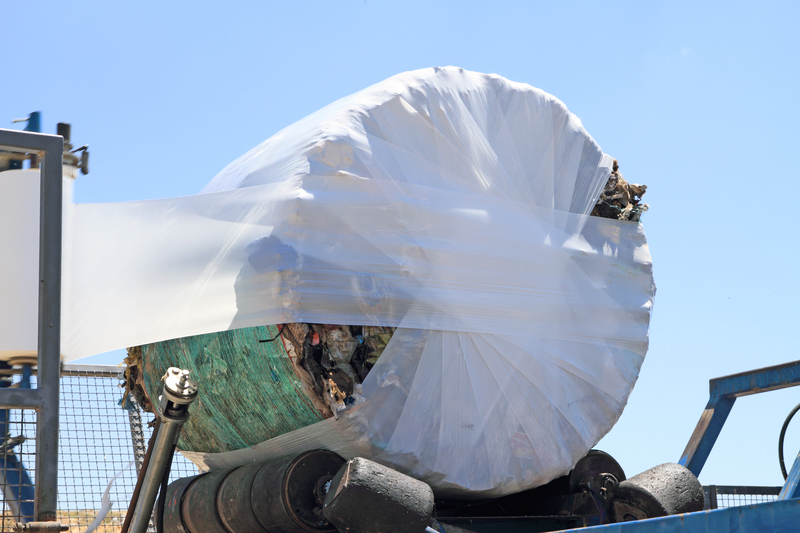
Waste clearance, also known as rubbish removal or junk disposal, refers to processes and services that systematically collect, segregate, transport, process, recycle, and dispose of unwanted materials. These services range from municipal garbage collection to specialized hazardous waste removal, covering both residential and commercial sectors. Efficient waste removal services form the backbone of modern sanitation systems.
Key Types of Waste Cleared
- Household Waste - Everyday refuse from homes, such as food scraps, packaging, and old furniture.
- Commercial Waste - Waste materials generated from businesses, offices, and shops.
- Industrial Waste - By-products from manufacturing, construction, and processing industries.
- Hazardous Waste - Items like batteries, chemicals, and electronic equipment that require careful handling.
- Medical Waste - Biologically hazardous materials from hospitals and clinics.
The Interconnection Between Waste and Public Health
The interplay between waste generation and public health is both direct and profound. When rubbish clearance is inadequate, the accumulation of waste paves the way for serious health risks, affecting entire communities. Here's how improper waste disposal impacts health:
Spread of Infectious Diseases
Accumulated waste attracts disease-carrying vectors such as rats, flies, and mosquitoes. These pests breed in filth, acting as transmitters of illnesses like dengue, cholera, malaria, and typhoid. Especially in densely populated urban areas, failure in effective waste clearance can escalate such outbreaks.
- Rodents feed on organic waste, spreading pathogens and causing diseases such as leptospirosis and hantavirus.
- Flies and mosquitoes breed in stagnant water and food scraps, transmitting dangerous viruses and bacteria.
Contamination of Water Sources
Inefficient waste clearance services may lead to the leaching of toxic substances and pathogens into groundwater and open water bodies. This contamination can result in:
- Outbreaks of waterborne diseases such as diarrhea, hepatitis, and cholera.
- Long-term exposure to hazardous chemicals, causing cancers and other chronic illnesses.
Air Pollution and Respiratory Issues
Burning of unmanaged waste releases harmful pollutants like dioxins and particulate matter into the air. These pollutants are proven to cause:
- Asthma
- Respiratory infections
- Lung cancer
- Worsening of allergies
Soil Degradation and Food Safety
Toxic waste can seep into the soil, impacting agriculture. Crops grown in contaminated soil may absorb heavy metals and chemicals, making them hazardous for consumption. Inefficient rubbish clearance can thereby compromise food safety and nutrition.
Beneficial Outcomes of Professional Waste Clearance
Thankfully, the growing utilization of waste disposal services offers numerous health and environmental benefits:
1. Disease Prevention and Health Promotion
- Regular waste removal disrupts pest breeding cycles.
- Proper disposal reduces exposure to pathogens, cutting down the incidence of infectious diseases.
- Special handling of hazardous and medical waste prevents accidental contact and spread of infections.
2. Safer Water and Cleaner Air
- Separate collection of liquid and hazardous wastes averts contamination of water supplies.
- Modern sorting and recycling techniques reduce the need for open burning and landfilling, leading to cleaner air and less respiratory distress among communities.
3. Enhanced Quality of Urban Life
- Clean public spaces promote mental well-being and physical activity.
- Efficient rubbish clearance services deter illegal dumping and vandalism, fostering community pride and cohesion.
4. Environmental Sustainability
- Comprehensive waste management reduces the carbon footprint and supports recycling, promoting a circular economy.
- Controlled disposal of hazardous materials protects biodiversity and future generations.
Challenges Facing Waste Clearance Systems
Despite their proven benefits, waste clearance services face several obstacles that impact their ability to protect public health:
- Limited Funding and Resources - Many municipalities struggle to allocate sufficient resources for comprehensive rubbish collection and processing.
- Poor Public Awareness - Lack of community engagement and knowledge about proper waste disposal can undermine even the best-managed systems.
- Illegal Dumping and Littering - Careless disposal practices persist in many areas, overwhelming official waste services and increasing health risks.
- Complex Waste Streams - Modern lifestyles generate diverse types of waste, complicating sorting, treatment, and recycling efforts.
Innovative Approaches and Solutions
To meet these challenges and elevate the impact of waste clearance on public health, many cities and private companies are adopting forward-thinking strategies, including:
Smart Waste Management Technologies
- Use of sensor-equipped bins and collection vehicles to optimize routes and reduce missed pickups.
- Digital monitoring of waste levels for more efficient resource deployment.
Community-Based Initiatives
- Grassroots campaigns to educate the public about separating recyclables and hazardous materials.
- Neighborhood cleanup drives and recycling exchanges to foster collective responsibility.
Public-Private Partnerships
- Collaboration between municipalities and waste clearance companies to deliver comprehensive and affordable services.
- Innovation funding for advanced recycling, upcycling, and waste-to-energy solutions.
The Role of Individuals in Effective Waste Clearance
While municipal and commercial waste clearance services lay the foundation for public health, individuals play a critical complementary role. Here are practical actions everyone can take:
- Practice Proper Waste Segregation - Separate recyclables, compostables, and hazardous items.
- Reduce, Reuse, Recycle - Make conscious purchasing decisions and responsibly manage household waste.
- Utilize professional waste disposal services for bulky, hazardous, or electrical waste rather than dumping.
- Participate in local cleanup days or educational programs to spread awareness.
How to Choose the Right Waste Clearance Service
- Ensure the company is licensed, insured, and complies with environmental regulations.
- Inquire about their recycling and landfill diversion rates.
- Read reviews, compare pricing, and evaluate their responsiveness and community involvement.
Case Studies: Waste Clearance Success Stories Worldwide
Singapore:
Through stringent waste collection schedules, penalties for littering, and advanced incineration plants, Singapore has become a global model for how waste removal services can enhance public health. As a result, the country boasts exceptionally low rates of communicable diseases associated with urban waste.
Sweden:
Sweden's waste-to-energy program transforms more than half of its residual waste into electricity and heating. Comprehensive recycling and rubbish clearance have virtually eliminated landfill reliance, positively impacting both environmental and community health.
United Kingdom:
Local councils across the UK have implemented separated kerbside collections, improved awareness campaigns, and invested in modern waste processing facilities, significantly curbing pollution and disease outbreaks linked to poor waste management.

The Future of Waste Clearance and Public Health
As urban populations continue to soar, the demand for high-quality waste clearance services will intensify. Integrating technology, community engagement, and stringent regulations ensures a cleaner, safer, and healthier tomorrow. Cities that prioritize waste removal will not only experience reduced disease burdens but also improved mental health, heightened civic pride, and a more robust economy.
Ultimately, the impact of waste clearance services on public health is both immediate and enduring. By supporting responsible waste management at every level, from local authorities to individuals, society can shield itself from the dangers of pollution, disease, and environmental degradation.
Conclusion
The role of waste clearance services is indispensable in the global pursuit of public health. These systems form the front line against the spread of disease, environmental contamination, and unsanitary living conditions. Prioritizing effective waste removal and fostering a culture of responsibility ensure not only a prettier landscape but a fundamentally healthier, safer world. Every bag of rubbish collected and processed brings us a step closer to healthier communities and a sustainable future.
Key Takeaways
- Efficient waste clearance is directly linked to reduced disease transmission and community wellbeing.
- Modern technologies and community involvement are reshaping rubbish removal for optimal public health impact.
- Every individual can contribute to a cleaner environment and a healthier society by practicing responsible waste habits.
For a safer, cleaner future, let us all recognize and support the essential role of waste clearance services on public health in our daily lives.